quick answer
Pick one zone a day and spend about 20 minutes on it. Start with four boxes: keep, donate, trash or recycle, and belongs elsewhere. Work through the entry, closet, dresser, kitchen, cleaning cabinet, bathroom, paper, and holiday items, and clear the boxes the same day.
Time: about 20 minutes a day · Level: easy
You will need: four boxes or bags, marker and tape, over-the-door hooks, slim non-slip hangers, drawer dividers, clear stackable bins
The holidays leave a small apartment crowded: new gifts, extra coats, leftover wrapping, and nowhere to put any of it. A January declutter works best when each step is small enough to finish in one sitting, so you do not quit halfway through a pile.
This checklist has eight zones, one a day, with about 20 minutes set aside for each. Most fixes are removable and renter-friendly. Before you start, set out four boxes or bags: keep, donate, trash or recycle, and belongs elsewhere.
in this guide
- Entry: clear the coat and shoe pile
- Closet: pull out what you did not wear this winter
- Dresser, nightstand, and tall shelves
- Fridge and pantry: check dates and group like items
- Cleaning supplies: sort, store safely, and never mix
- Bathroom counter, drawers, and towels
- Paper pile: one inbox, one sitting
- Holiday leftovers: decorations and gift wrap
Entry: clear the coat and shoe pile
The entry is small, so a few extra coats and boots can block the door. Start here because you see the result every time you come home.
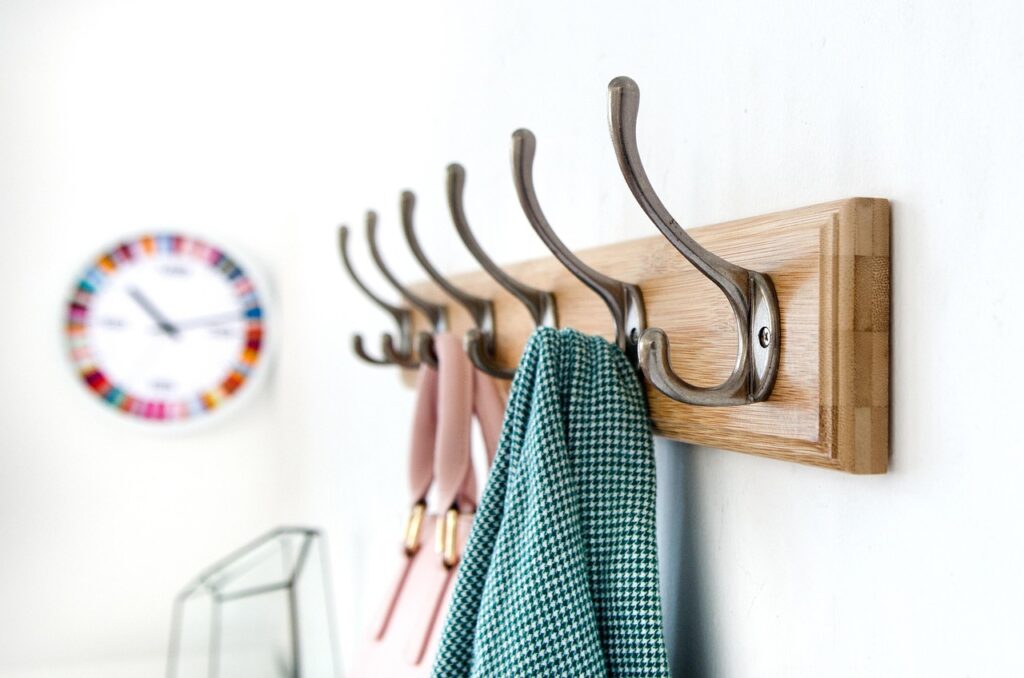
Pull everything off the hooks, bench, and floor. Sort coats and shoes into three groups: worn this week, worn sometimes, and not worn all winter. Keep the first group at the door, move the second to a closet, and donate or pass along the third.
Give each person one or two hooks. When the hooks are full, something has to go.
Shop the idea: over-the-door hooks on Amazon (for example, Umbra or Command)
Renter note: Adhesive hooks have a weight limit printed on the package, so check it before hanging heavy coats or bags. Over-the-door hooks need no adhesive, but check that the door still closes fully and that the hooks will not rub the paint.
snug tip
Keep a “belongs elsewhere” basket by the door and return its contents to their rooms before bed, so clutter does not just move around.
Closet: pull out what you did not wear this winter
A closet fills up with clothes you keep for “someday.” Taking everything out shows you what you actually own and where the space is going.
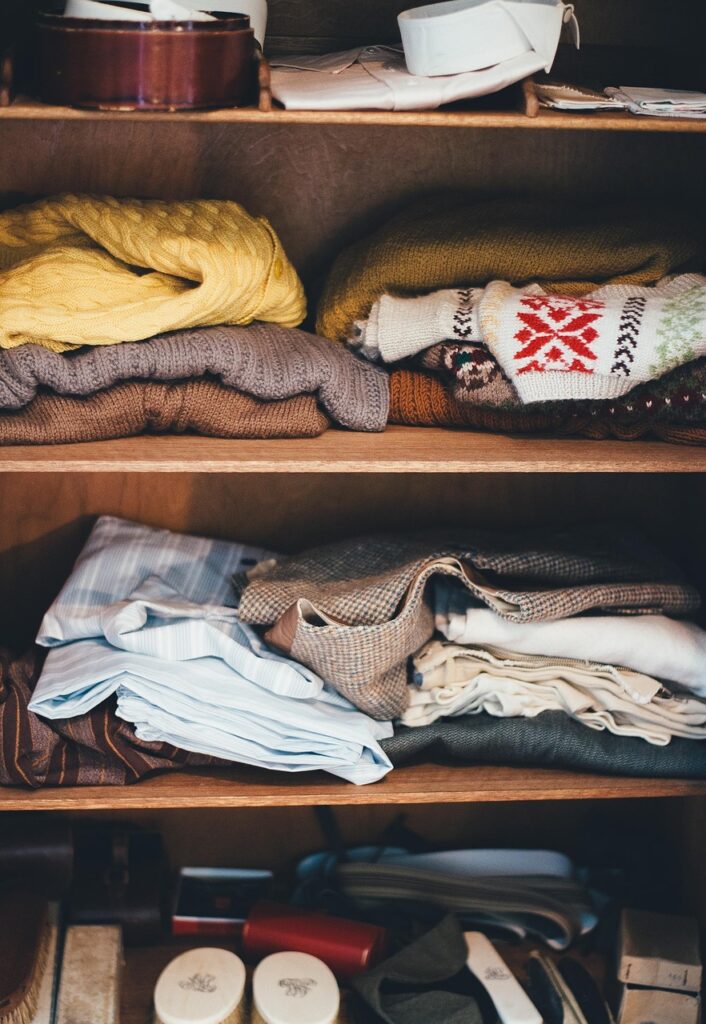
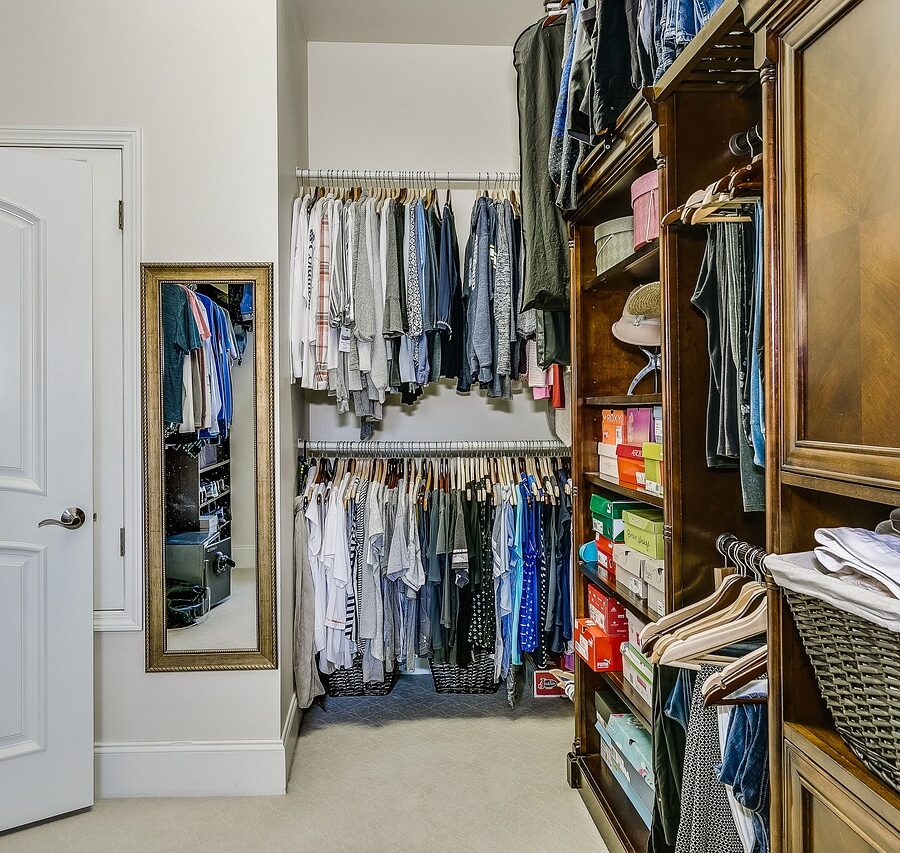
Work one section at a time, such as shirts or pants. Hold each item and ask two questions: does it fit now, and have I worn it in the past year? Sort into keep, donate, and repair. Set a deadline for the repair pile, or it becomes the new clutter.
Before you hang things back, swap bulky hangers for slim, non-slip ones, which usually free up a little rod space. Hang like items together so you can find them fast.
Shop the idea: slim non-slip hangers on Amazon (for example, Amazon Basics or Zober)
Dresser, nightstand, and tall shelves
Bedroom furniture holds a lot of small things you forget about. Go one drawer at a time and dump it onto the bed so you cannot skip anything.
Toss socks with holes, keep what you wear, and fold the rest upright so you can see every piece. Put heavier items in the lower drawers and lighter ones up top. Clear the nightstand down to what you use every night.
While you are in the room, check whether tall furniture is anchored. Safety groups recommend anchoring dressers, bookcases, and other tall pieces to the wall to prevent tip-overs, which matters most with kids and pets around.
Learn more: CPSC Anchor It: Prevent Furniture Tip-Overs
Renter note: Anchoring usually means a small screw hole in the wall. Check your lease and ask your landlord before you drill, and ask what method they allow.
Fridge and pantry: check dates and group like items
Food clutter is the easiest to see and the quickest to clear. Take everything off one shelf at a time and check the dates.
If you are unsure how long something keeps, look it up in the USDA FoodKeeper, which covers pantry, fridge, and freezer foods. Toss anything spoiled, moldy, or past its safe window, and when in doubt, throw it out. Donate unopened items you will not eat if your local food pantry accepts them.
Put like items together: baking, snacks, canned goods, grains. Label the shelf edge or bin so everyone puts things back in the right place. Our free printable pantry labels can help.
Learn more: USDA FoodKeeper
more checklists like this
Get new small-space checklists by email now and then. New subscribers also get our 90 printable pantry labels as a welcome gift.
Cleaning supplies: sort, store safely, and never mix
Under-sink cabinets collect half-empty bottles and products you stopped using. Pull everything out and toss empties, duplicates, and anything with a missing or peeling label.
Keep products in their original containers so the directions and warnings stay with them. Never mix cleaning products. Bleach, for example, should never be combined with ammonia or acidic cleaners because it can release harmful gases. Do not pour old chemicals down the drain or into the trash; check your local household hazardous waste rules.
Store cleaners where kids and pets cannot reach them, and keep laundry pods in a closed container up high. Use a cabinet that closes firmly, and keep your vet’s number and an animal poison control line near your phone in case a pet gets into something.
Learn more: CDC: How to Safely Clean and Sanitize with Bleach
Renter note: A removable adhesive cabinet latch can help, but check the weight and surface notes on the package and your lease first. Avoid screw-on latches unless your landlord approves.
snug tip
Set a 20-minute timer for each zone. When it rings, stop and put things away, even if you are not finished, and pick the zone up again tomorrow.
Bathroom counter, drawers, and towels
Bathroom clutter is mostly small items: travel bottles, nearly empty tubes, and three of the same thing. Empty one drawer at a time onto the counter and sort into keep, toss, and belongs elsewhere.
Keep one open item of each kind and store backups in a single bin. Recycle empty bottles where your local program allows it. For towels, keep a set or two per person and move the extras to the linen shelf or donate them.
Drawer dividers keep what you kept from sliding back into a pile. Measure the inside of each drawer before you buy, since sizes vary.
Shop the idea: drawer dividers on Amazon (for example, mDesign or Amazon Basics)
Paper pile: one inbox, one sitting
Paper piles up on counters and tables because each sheet needs a decision. Gather every loose paper in one spot and sit down with a timer.
Sort quickly into recycle, shred, act on, and file. Shred anything with account numbers or personal details. Put things to act on in one tray, and set a day this week to finish them.
Keep a small folder or box with a few labeled sections, such as lease, taxes, health, and pet records. Add year-end tax papers to the tax folder as they arrive so they are in one place when you need them.
Holiday leftovers: decorations and gift wrap
January is a good time to pack up the holidays while you remember what you used. Toss broken ornaments, burned-out lights, and wrap too torn to reuse.
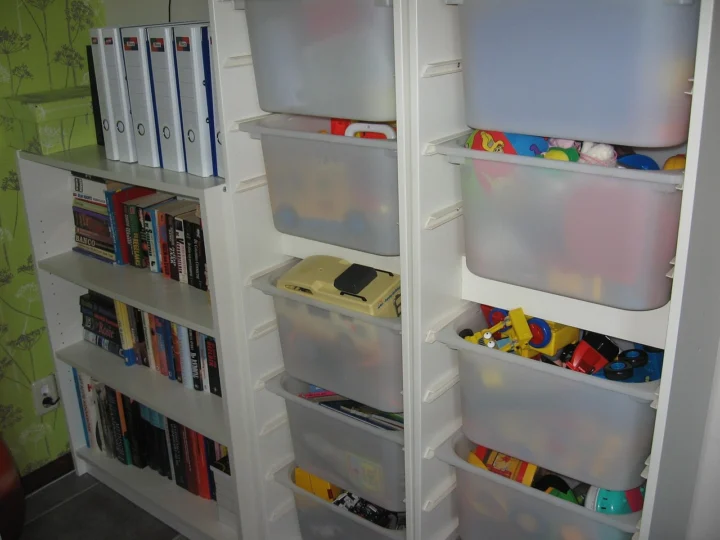
Pack decorations into clear bins with lids so you can see what is inside, and label each one. Wrap lights around a piece of cardboard so they do not tangle. Keep only the wrapping you will actually use next year.
Store bins under the bed or on a high closet shelf, with the heavier ones lower down. Measure the height of the space first so the bins fit.
Shop the idea: clear stackable bins on Amazon (for example, Sterilite or mDesign)
from our shop

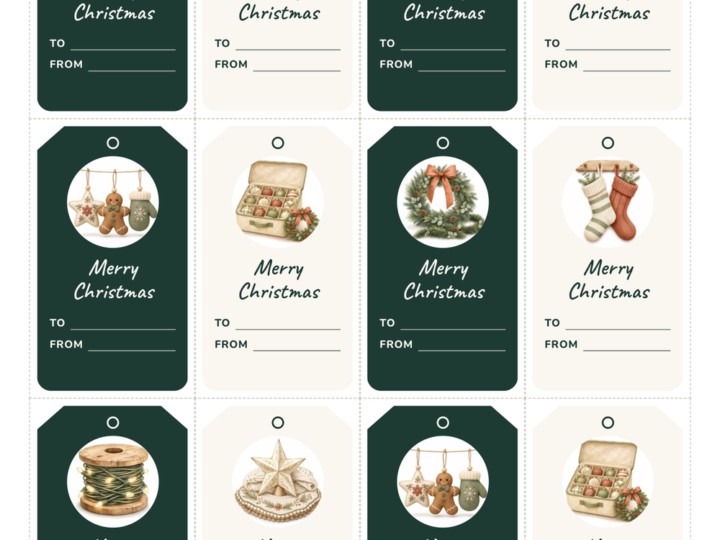
Want labels for those bins and baskets? We made a printable set of 48 wide labels for the bathroom, closet and linen shelf, plus blanks to fill in.
Made by us · sold on Creative Fabrica · affiliate link
Where to start
This weekend, set out your four boxes and write the eight zones on a sheet of paper. Put the sheet on the fridge so you can cross off each zone as you finish it.
Do the entry on day one, since it is quick and you will see the result every time you walk in. Do the closet next. Once the donation box is full, drop it off within a few days so it does not sit by the door.
free printable checklist
January Declutter Checklist
9 steps. Tick them off as you go (your ticks stay on this device), or print it and keep it where you do the job.
The Snug Nook · thesnugnook.com
Quick answers
How long does a January declutter take in a small apartment?
With about 20 minutes a day, the eight zones in this checklist take eight days. Small spaces go fast because there is less to sort. If a zone takes longer, split it in two and finish it the next day.
Where should I start decluttering a small apartment?
Start with the entry or the zone that bothers you most, since a quick win keeps you going. Avoid starting with sentimental items like photos, because they take the longest. Save those for last.
What should I do with the things I am getting rid of?
Donate items that are clean and in good shape, recycle what your local program takes, and trash the rest. Check what your local donation center accepts before you drop things off. Drop off within a few days so the pile does not come back.
join the snug nook list
New checklists in your inbox
Occasional small-space checklists and tips, plus 90 printable pantry labels as a welcome gift. Unsubscribe anytime.