quick answer
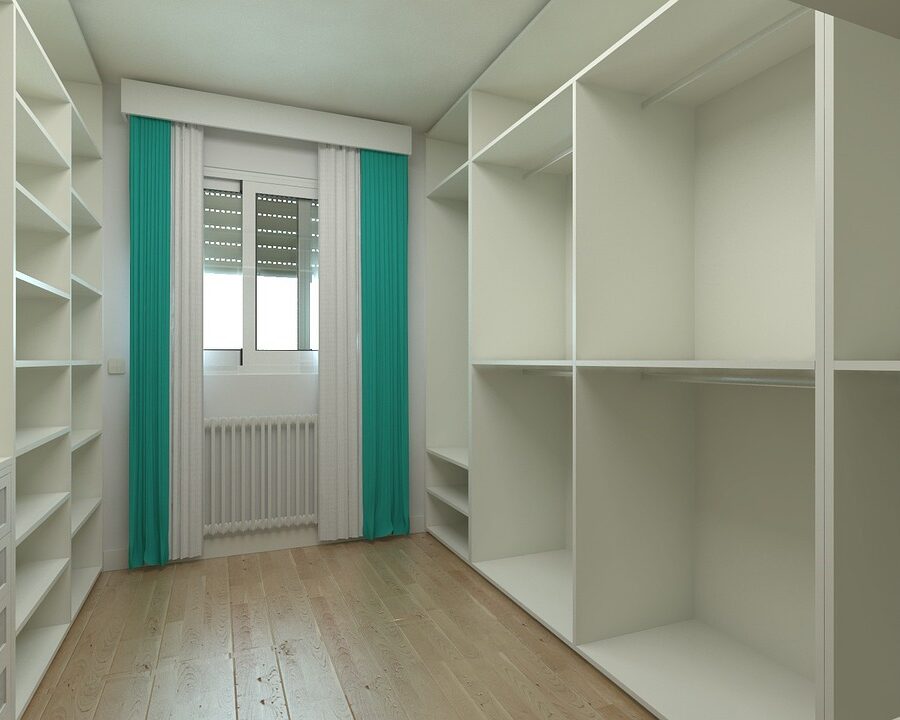
Start by emptying the closet and measuring the rod height, shelf depth and door. Then add a hanging second rod, switch to slim hangers, and use the door and top shelf for racks and bins. Most of these fixes need no drilling, so they work for renters.
Time: one afternoon · Level: easy
You will need: hanging double rod, slim non-slip hangers, over-the-door rack, clear stackable bins, tension rod, shelf dividers
A small closet fills up fast. Bulky hangers, stacked shoes and a shelf crammed with bags leave you digging for one shirt. Small closet organization gets easier once you stop adding more stuff and start using the height, the door and the floor you already have.
Below are 8 ideas that add space without drilling. Most hang, hook or sit in place, so they suit renters. You will also get what to measure before you buy, so nothing ends up too big for your closet.
in this guide
- Empty the closet and measure first
- Swap bulky hangers for slim, matching ones
- Add a second rod that hangs from the first
- Use the back of the closet door
- Put a tension rod in the unused corner
- Fold knits and use shelf dividers
- Use the top shelf for off-season items in clear bins
- Add a low shoe rack or shelf unit on the floor
Empty the closet and measure first
Take everything out and sort it into four piles: keep, donate, off-season and “doesn’t fit my life.” This shows you how much hanging and shelf space you really need. Clothes you haven’t worn in a long time are the easiest way to free up room.
Then measure the empty closet. Write down the rod height from the floor, the gap between the rod and the shelf above it, the shelf depth, the width of the door opening, and how much space sits between the door and your clothes. Keep the numbers in your phone. Every idea below depends on them.
Swap bulky hangers for slim, matching ones
Mixed wire, wood and thick plastic hangers waste rod width. Slim non-slip hangers take up less space, so more clothes fit on the same rod. Matching hangers also keep the shoulder line even, which makes a crowded closet easier to scan.
Count your hanging pieces first and buy a few extra. Replace the hangers in one go, because a few bulky ones break up the row. Hang shirts, then pants, then dresses, so you can find things by type.
Shop the idea: slim non-slip hangers on Amazon (for example, Amazon Basics or Zober)
snug tip
Turn every hanger backward when you start. After a season, anything still backward is a good donate pile.
Add a second rod that hangs from the first
Most small closets have one rod and a lot of unused air under short shirts and folded pants. A hanging double rod hangs from your existing rod and adds a second level below it, which can add a lot of hanging room for shirts, skirts and folded pants.
Hold a shirt up in the closet to check the fit: the top rod needs room for longer items, and the lower rod should clear the floor or shelf. Put your lightest clothes on the lower rod, and check the weight limit on the package before you load it.
Shop the idea: hanging double rod on Amazon (for example, Simple Houseware or Whitmor)
Renter note: A hanging rod needs no drilling, but make sure your existing rod and its brackets are firmly mounted before you add weight. A loose rod can pull out of the wall.
Use the back of the closet door
The door is the biggest unused surface in a small closet. An over-the-door rack with hooks or pockets holds scarves, belts, bags, hats and flat shoes. It keeps small items off the shelf and visible at a glance.
Before you buy, check the gap at the top of the door and whether the door still closes with the rack on. Keep heavy bags off it, because too much weight can strain the door. If you prefer hooks, adhesive hooks work too. Follow the weight limit on the package and clean the surface first.
Shop the idea: over-the-door rack on Amazon (for example, Simple Houseware or mDesign)
Renter note: Over-the-door racks leave no holes, but test adhesive hooks on a hidden spot first, since strips can mark some paint.
snug tip
Keep daily items between shoulder and knee height. Put things you use only a few times a year on the top shelf or the floor.
more checklists like this
Get new small-space checklists by email now and then. New subscribers also get our 90 printable pantry labels as a welcome gift.
Put a tension rod in the unused corner
A tension rod holds itself in place by pressure between two walls, so it needs no screws. In a small closet, it can create a mini rod for scarves, belts, tote bags or kids’ clothes. It also works in a side nook where a full rod will not fit.
Measure the width between the walls and buy a rod that fits that range. Add S-hooks for bags or belts. Keep the load light, since tension rods have a weight limit on the package. Tighten it, then check it again the next day to make sure it has not slipped.
Renter note: Tension rods can scuff paint or dent soft drywall. Keep the load light and use rubber or felt end pads so the rod does not slide or mark the wall.
Fold knits and use shelf dividers
Sweaters and knit tops stretch on hangers and leave shoulder bumps. Folding them frees rod space and helps them keep their shape. A closet shelf is the best place for them.
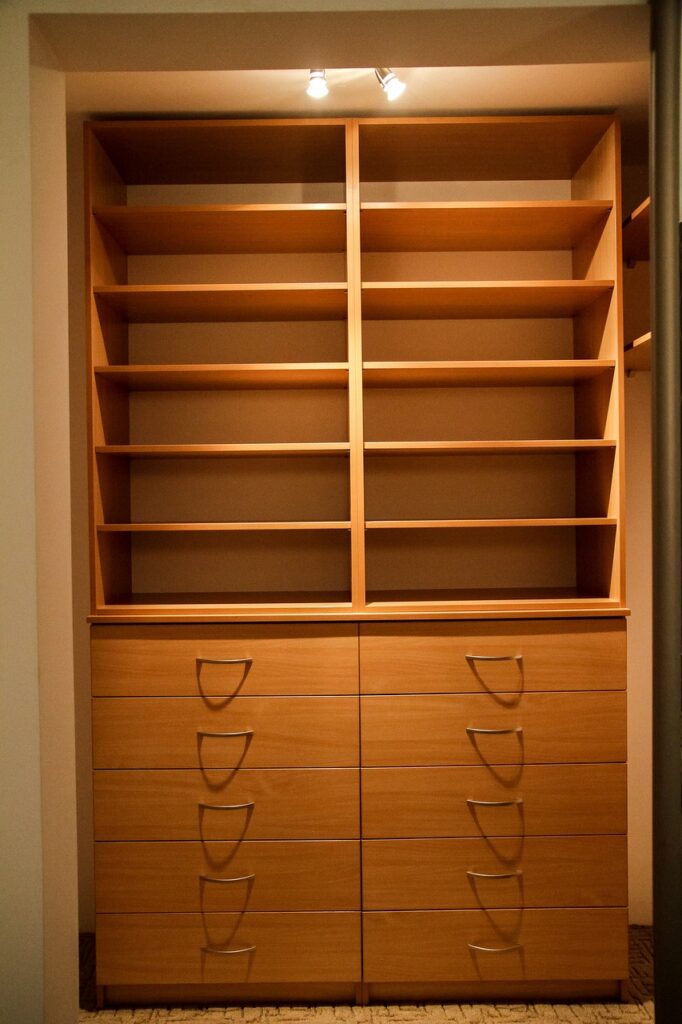
Keep stacks low enough to pull from without a tumble. Shelf dividers, either clip-on or freestanding, keep each stack separate. For T-shirts or leggings, try folding them into small rectangles and standing them upright, like files, so you can see every piece.
Use the top shelf for off-season items in clear bins
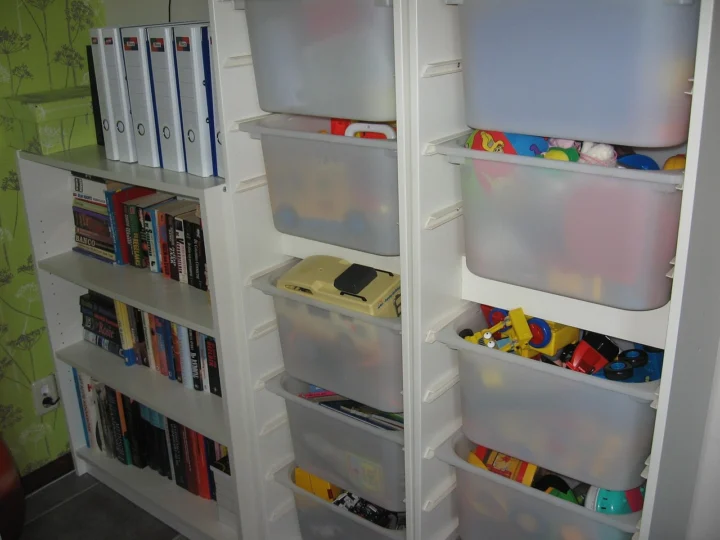
The top shelf is good for things you do not need every day, like off-season clothes, extra bedding and spare bags. Clear stackable bins with handles let you see the contents and slide one out without pulling down the whole stack.
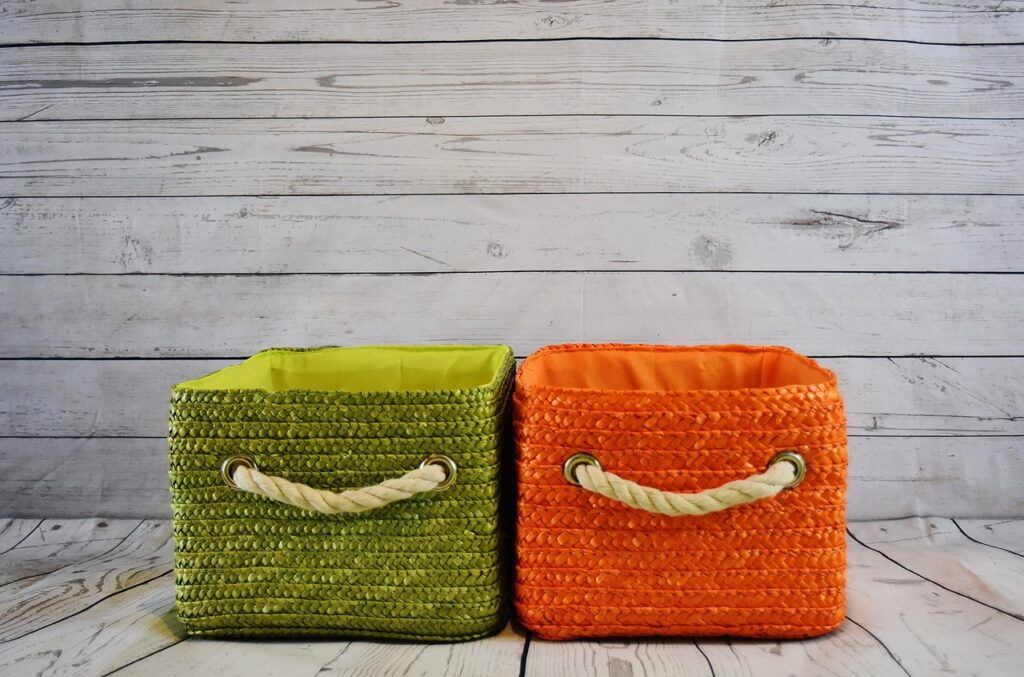
Measure shelf depth and the height between the shelf and the ceiling or rod before you buy. Keep bins light enough to lift down with one hand, and do not overload a thin wire or particleboard shelf. Label the end of each bin so the label faces out.
Shop the idea: clear stackable bins on Amazon (for example, Sterilite or mDesign)
Add a low shoe rack or shelf unit on the floor
Closet floors often end up as a pile of shoes. A low shoe rack, narrow cart or short shelf unit can hold shoes, folded jeans or bags in an orderly row. Measure width, depth and height first, and leave room for the door to open.
Keep it short. Tall shelves, dressers and bookcases can tip, especially with children or pets around, so the CPSC recommends anchoring them to the wall. If you cannot anchor in a rental, stay with a low, stable unit and do not stack heavy items on top.
Learn more: CPSC Anchor It: Prevent Furniture Tip-Overs
Renter note: Anchoring usually means screws, so check your lease and ask your landlord before drilling.
from our shop

Want labels for those bins and baskets? We made a printable set of 48 wide labels for the bathroom, closet and linen shelf, plus blanks to fill in.
Made by us · sold on Creative Fabrica · affiliate link
Where to start
This weekend, empty the closet, sort it into four piles and measure the rod, shelf and door. That alone usually does not take long and tells you what to buy.
Then swap in slim hangers and add a second rod or an over-the-door rack. Finish with labeled bins on the top shelf. Most of the work fits into one afternoon.
free printable checklist
Small Closet Reset Checklist
9 steps. Tick them off as you go (your ticks stay on this device), or print it and keep it where you do the job.
The Snug Nook · thesnugnook.com
Quick answers
How do I organize a small closet with no shelves?
Use the rod and the door. A hanging second rod adds a level, and an over-the-door rack holds shoes and accessories. Clear stackable bins on the floor can hold folded clothes.
How can I add closet space without drilling?
Use a hanging double rod, a tension rod, an over-the-door rack and clear bins. All of these sit, hang or grip in place. Check the weight limit on the package for anything that hangs.
How often should I clean out a small closet?
Twice a year works for many people, when the seasons change. Pull out what you did not wear, donate it, and swap off-season items into bins on the top shelf.
join the snug nook list
New checklists in your inbox
Occasional small-space checklists and tips, plus 90 printable pantry labels as a welcome gift. Unsubscribe anytime.